Research Institute Directors from G20 Countries and Regions Gather to Propose International Collaboration towards Decarbonization
RD20 International Conference Held for the First Time in India
Expected to Promote Innovation and Strengthen International Cooperation
-
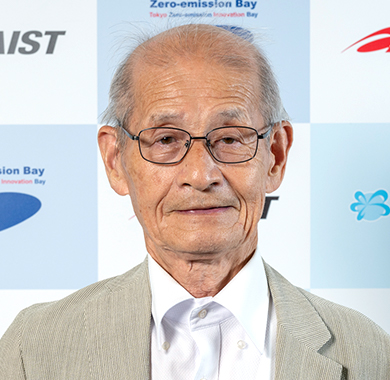 Dr. Akira Yoshino
-
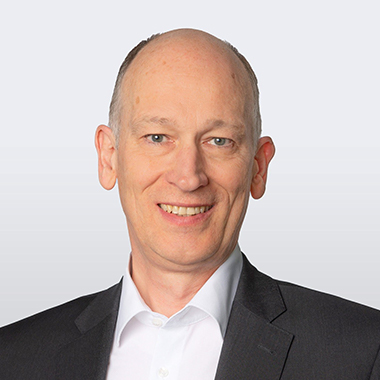 Dr. Gerhard Salge
-
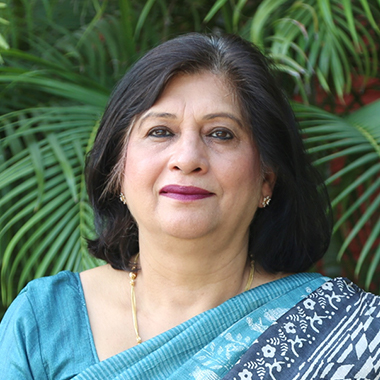 Dr. Vibha Dhawan
-
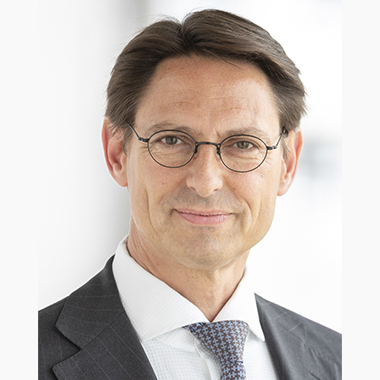 Professor Christopher Hebling, Ph.D.
Since 2019, the international conference "RD20," hosted by the National Institute of Advanced Industrial Science and Technology (AIST), has brought together world-renowned researchers to share insights and address challenges regarding the spread of clean energy technologies aimed at realizing a decarbonized society. The conference aims to promote innovation and strengthen international collaboration.
The 6th RD20 Symposium is scheduled to take place in Tokyo on Friday, October 11, 2024, followed by the international conference in New Delhi, India, from Monday, December 2 to Friday, December 6. In preparation for the 6th RD20 International Conference, which will be held outside Japan for the first time, research institute directors and corporate engineering officers from India and Germany were invited to an online symposium to discuss the strengthening of international collaboration, starting with RD20.
Participants included Dr. Akira Yoshino, Director of the Global Zero Emission Research Center (GZR) at AIST, Dr. Vibha Dhawan, Director-General of TERI in India, Dr. Gerhard Salge, Global CTO of Hitachi Energy, and Prof. Dr. Christopher Hebling from the Fraunhofer Institute in Germany. They shared their expectations for the 6th RD20 and discussed the challenges of achieving carbon neutrality and the importance of international cooperation. The symposium was moderated by Yasuhiro Kawai, Director of Nikkei BP Research Institute.
——The 6th RD20 International Conference will be hosted in India, making it the first to be held overseas since the Conference was established. Can you discuss India's efforts towards achieving carbon neutrality and the significance of hosting RD20 in India?
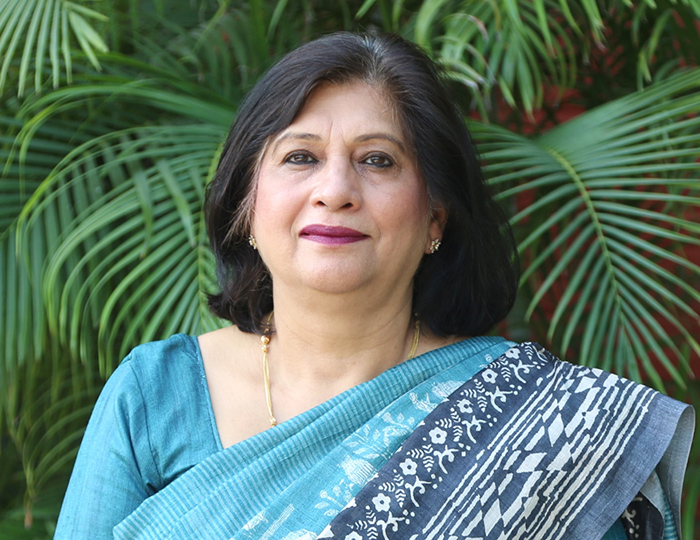
Dr. Vibha DhawanEnergy and Resources Institute (TERI), India
Director
Joined TERI in 1985, became Deputy Director in 2012, and has been in her current position since 2021. Has served as Adjunct Professor, Vice Chancellor, and other positions at TERI University since 1999.
Dhawan Since its inception in 1974, TERI (The Energy and Resources Institute) has pursued its mission to tackle the challenges faced by humanity, and we have been conducting research on renewable energy from an early stage.
India has the world's largest population and uses many fossil fuels as energy sources to promote its economic development, leading to an increase in greenhouse gas emissions. Nearly half of the country's population is engaged in primary industries such as agriculture, but as global warming is progressing rapidly, changes in climate are expected to affect food production.
While global warming is an urgent issue worldwide, India also needs to continue its development. In order to transition towards a clean and sustainable future, we are committed to the research and social implementation of innovative recycling methods, waste minimization, and the conservation and efficient use of energy and other resources across all sectors.
The 6th RD20 scheduled to be held in India in December 2024 will not only provide an opportunity to showcase many of our initiatives, but also serve as a forum for interactive discussions on various technologies and issues. We hope to use this platform to learn from our peers in a variety of ways.
——Fraunhofer Gesellschaft has been a member of the Action Committee since the beginning of RD20. What are your expectations for the upcoming RD20 International Conference in India?
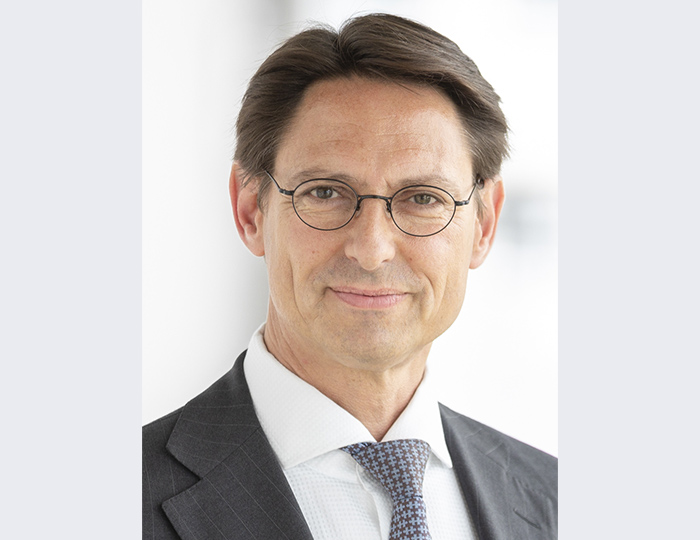
Professor Christopher Hebling, Ph.D.Director, Fraunhofer Institute for Solar Energy Systems (Fraunhofer ISE), Germany
Member of National Academy for Science and Technology. He is speaker of the Fraunhofer Hydrogen Network which comprises the knowledge of 39 Fraunhofer Institutes in the Hydrogen Technologies.
Hebling RD20 was established in 2019 by former Prime Minister Shinzo Abe with the goal of promoting international cooperation and accelerating innovation in countering climate change. It is an international research and development initiative that invites and connects top experts from G20 countries. We highly value Prime Minister Abe's vision for climate change countermeasures and are grateful for how much RD20 has developed as a platform for international cooperation.
Climate change is a challenge that affects all of humanity and is causing various interconnected crises. This year, India experienced days with temperatures exceeding 40°C for two consecutive weeks, resulting in the deaths of many people and animals. The irreversible melting of ice in the North and South Poles also contributes to rising sea levels, which in turn produces refugees, food supply problems, and political tensions.
Germany, for instance, relies on imports for like 70% of its energy. Transitioning from fossil fuels to clean energy will require a fundamental shift in the national, but also international energy system including the whole energy value chain.
At RD20, where leaders of the most outstanding applied research organizations from the G20 countries gather, we will discuss how to reach net-zero, be resilient and emphasize the importance of research and development in the development of the foundation for future societies.
——AIST is developing various energy-related technologies for manufacturing, customer use, and recycling to achieve carbon neutrality. Could you share some of your research achievements in recent years?
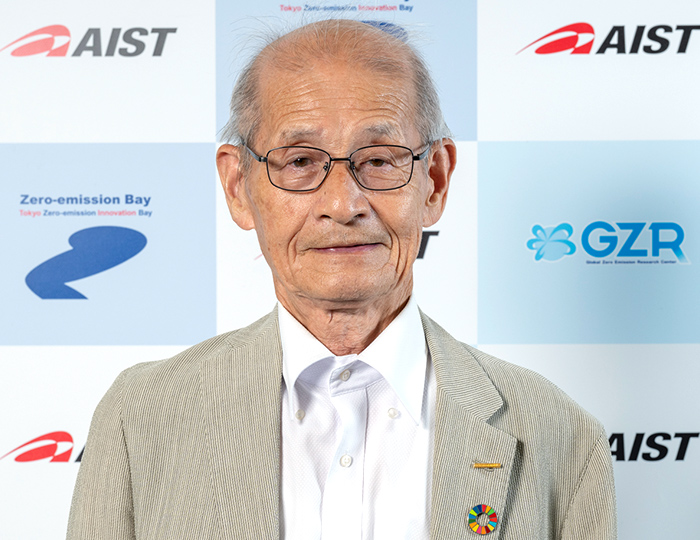
Dr. Akira YoshinoNational Institute of Advanced Industrial Science and Technology (AIST) Global Zero Emission Research Center
Director
Joined Asahi Kasei Corporation (now Asahi Kasei) in 1972 and became an Honorary Fellow in 2017. Awarded the Nobel Prize in Chemistry by the Royal Swedish Academy of Sciences in 2019. Assumed current position in 2020.
Yoshino AIST is conducting research on next-generation solar cells, hydrogen and ammonia utilization, and CO2 capturing, utilization, and storage (CCUS) at two locations, the Zero Emission Research Center (GZR) and the Fukushima Renewable Energy Institute(FREA).
Perovskite solar cells, a promising next-generation technology originating in Japan, are less than one-tenth the weight of current silicon solar cells and are flexible, making it possible to install them to new locations such as factory and warehouse roofs (where load resistance is low) , as well as the walls of houses and other buildings. There have been two challenges so far. The first is efficiency, which has been enhanced through research to at least match or even exceed that of silicon-based solar cells. Second, durability was previously a concern compared to mainstream solar cells, but advancements in material selection and sealing methods have significantly enhanced the cells’ durability. Additionally, AIST excels in technologies for converting CO2 into useful substances such as synthetic fuels (e-fuels). E-fuels are liquid fuels like gasoline produced by reacting CO2 with hydrogen derived from renewable energy. AIST is developing an integrated, highly efficient e-fuel production process that combines a solid oxide electrolysis cell (SOEC) device, which simultaneously electrolyzes water and CO2 into hydrogen, carbon monoxide, and oxygen in a process known as co-electrolysis, and various types of e-fuel based on the produced carbon monoxide and hydrogen syngas, with a FT (Fischer-Tropsch) reaction.
AIST's R&D has also been selected by the New Energy and Industrial Technology Development Organization (NEDO), a government-run research and development corporation, for its Green Innovation Fund project, which provides ongoing support for R&D, testing, and social implementation of carbon-neutral technologies.
One project is working on developing research infrastructure and foundational technologies for the practical application of perovskite solar cells. Another aims to produce hydrogen through highly efficient water electrolysis using electricity derived from renewable energy. AIST has established a facility at FREA to evaluate large-scale water electrolysis systems, anticipating a future scenario with substantial integration of renewable energy.
It is significant that RD20 will be held in India this year. Each country will require different technologies when implementing their research and development into society. While certain technologies might be challenging to adopt in Japan due to costs, there may be others that are more applicable in countries like India. We hope that this event will create opportunities for such discoveries.
Being an international conference, there is no better place than RD20 to understand the different approaches each country is taking toward carbon neutrality.
Carbon-neutral R&D progressing globally
——Can you tell us what role TERI plays as a major research institute in India?
Dhawan TERI is a non-profit, independent research institute whose research encompasses the transition from fossil fuels to clean energy both globally and regionally, sustainable agriculture, and other technologies for a sustainable society.
Our work covers developing infrastructure adapted to climate change , making proposals regarding smart cities as sustainable habitats, efficient energy use and applications of renewable energy sources such as solar power, and conducting research on hydrogen as a new energy source. We also provide the government with advice and recommendations for climate change policy, including the implementation of low-carbon rail transport in India, given that it is a country with a vast land area.
In the field of renewable energy, we are promoting solar power generation that makes use of the abundant sunlight in our country. Recommendations we make include recycling wastewater produced by industries and transitioning to sustainable building materials. Research is also being conducted to convert agricultural, livestock, and fishery waste into biofuels. There are endeavors to promote sustainability in agriculture as well. The creation of a system that generates carbon credits through agricultural activities could offer farmers an additional source of income while also encouraging reforestation.

——What is the Fraunhofer Gesellschaft's business?
Hebling The Fraunhofer Gesellschaft is Europe's largest applied research organization, dedicated to developing practical solutions that benefit private industry, public institutions, and society at large.
Fraunhofer is a global leader in photovoltaics research, advancing cutting-edge technologies like perovskite solar cells. In addition, the center is working on developing synthetic aviation fuels to replace those that are currently based on fossil fuels, as well as bio-material-based plastics to replace those derived from fossil fuels.
We are driving innovation in climate-neutral industrial processes and sustainable mobility through hydrogen technology research. Our work spans the entire process chain for sustainable fuels and chemical platform molecules - from green hydrogen production and direct air capture of CO2 to the synthesis of power-to-X (PtX) products, such as ammonia, dimethyl ether (DME), and methanol, including reforming processes and end-use applications. One of our key areas of research is the development of catalysts for DME, a clean fuel poised to play a significant role in low-carbon energy transition. We are also exploring DME's potential in waste heat recovery and its use in energy storage or liquefaction of renewable energy, like solar and wind.
In our research to enhance fuel cell performance, we are focusing on the Membrane Electrode Assembly (MEA) that produces electricity through the chemical reaction of hydrogen and oxygen. We are collaborating with Toyota Motor Corporation in evaluating the fuel cells, as they are dedicated to the practical application of fuel cells in vehicles.
Fraunhofer Gesellschaft operates multiple research institutes and aims to foster collaboration with global companies and industries to achieve carbon neutrality. This includes collaborative efforts with Toyota Motor Corporation to bring fuel cell vehicles to the market.
——What is Hitachi Energy's core business?

Dr. Gerhard SalgeHitachi Energy
Executive Vice President and Chief Technology Officer (CTO)
Joined Hitachi Energy’s predecessor in 1999. Appointed Global Head of Technology for Power Products in 2015 and CTO of Power Grids Business in 2016.
Salge We offer technologies for power systems, such as semiconductors, transformers, switchgear, high-voltage direct current (HVDC) transmission systems, and power system automation products and software solutions. Our activities and offerings are centered around reducing carbon emissions of power systems, by integrating many more renewables into the grid, managing much higher electricity demand across all sectors, and providing more sustainability-oriented technologies. As a prominent and recent example, we provided a total life-time sustainability-optimized switchgear without sulfur hexafluoride (SF6), the world’s most potent greenhouse gas. SF6 has been the standard for such gas-insulated switchgear (GIS) due to its superior technical performance. Now, we are the first to have achieved breakthroughs in the transmission voltage level of 550kilovolt (kV) without compromising on technical performance or reliability of the product.
In the integration of renewables, we are providing a range of products, systems, and services that enable an alternating current (AC) and or direct current (DC) connection of solar, wind or any other type of renewable power generation. We are managing the challenge around the much higher fluctuations that comes with these power sources. Our solutions, based on power electronics and digital technologies are managing those challenges towards future-fit, stable, reliable and resilient power systems. Intelligent network control in combination with various types of storage integration (e.g. battery energy storage system (BESS), pumped hydro and others) is securing a flexible power system, which is able to manage much larger and more complex power systems of the future.
Expectations for RD20's role in international collaboration and human resource development
——RD20 hosts summer schools for young researchers and continuously participates in collaborative projects, such as a task force working on hydrogen and solar power. What are your expectations for RD20?
Dhawan In advancing carbon neutrality, India occupies a very unique position. As a relatively young country with one of the highest energy demands, it is also home to many startups, as it has an ecosystem that fosters innovation.
To foster job creation, rural communities need to embrace and develop alongside new technologies, with hydrogen serving as a crucial medium for storing, transporting, and exporting excess energy.
Supporting partnerships is essential to achieving carbon neutrality. One approach to that end is the summer school organized by RD20 to develop research talent. Using RD20 as an opportunity to share and discuss the efforts of participating countries will help bridge the gaps of theoretical knowledge regarding the latest technological developments in renewable energy and decarbonization and their practical applications.
Yoshino RD20's activities are unique in that, in addition to the annual international conference, they conduct ongoing and regular activities such as their workshops, task forces, and summer schools, all led by researchers associated with national research institutions.
In this environment, research institutions are closely interconnected, making it easy for researchers to network and establish connections. While there is still a need to deepen the discussions regarding commercialization, RD20 has the potential to enable various forms of collaboration as a platform that facilitates the promotion of partnerships.
Achieving carbon neutrality absolutely requires global collaboration. The kinds of technology that will be possible to be practically implement in each country by the target year of 2050 will depend on the results of our ongoing research. I hope that the global collaboration fostered through RD20 activities, involving discussions from the perspectives of policy, technology, and science, will lead to the realization of a carbon-neutral society.

Hebling I hope that RD20 will facilitate collaboration between research oriented ministries as well as research institutions and industries across many regions and countries, paving the way for the early societal adoption of carbon-neutral technologies and the actualization of a decarbonized society. The summer school for young researchers took place in France in 2023, was held in Indonesia in 2024, and is scheduled to be hosted in the United States (NREL) in 2025.
Proceeding to the next stage of carbon neutrality is a complex challenge. Beyond discussing and sharing each other’s scientific direction, we also need to encourage political engagement and secure continued financial support for research and development. The investment market is beginning to shift towards clean energy, and the perspective of investors is essential.
In order to drive global energy transformation, each country needs to mobilize policy makers, researchers and developers, and investors. Brazil will assume the chair of G20 2024. It is essential to expedite research and development efforts relating to carbon neutrality through both collaboration and competition. Additionally, in 2025, the Terawatt Workshop will be held, focusing on the practical application of hydrogen, which has long been considered a dream energy source. This will be an opportunity to discuss how to scale large-scale hydrogen utilization to the terawatt (TW) level.
Salge A key challenge in achieving carbon neutrality is the transition towards an energy system that is much more sustainable. To do this, we must increase collaboration and partnerships among all stakeholders, covering the full scope across policy and regulatory framework, technology deployment at scale, providing continuous innovation from the research idea to the scaled implementation, and enabling business models for private and public investments. People are at the core – both those working today and also the next generations of energy enthusiasts for the decades to come. Energy transition is a marathon and Hitachi Energy is fully committed to advancing a sustainable energy future for all.
Yoshino I have been participating in the RD20 International Conference since its second session, and I can clearly see how much technology is progressing year after year. Today's discussions were far more advanced compared to those held last year. This year's RD20 International Conference in India is particularly important. As mentioned earlier, we must consider each country's circumstances and technological potential. I look forward to further discussions and developments within the RD20 initiative.